
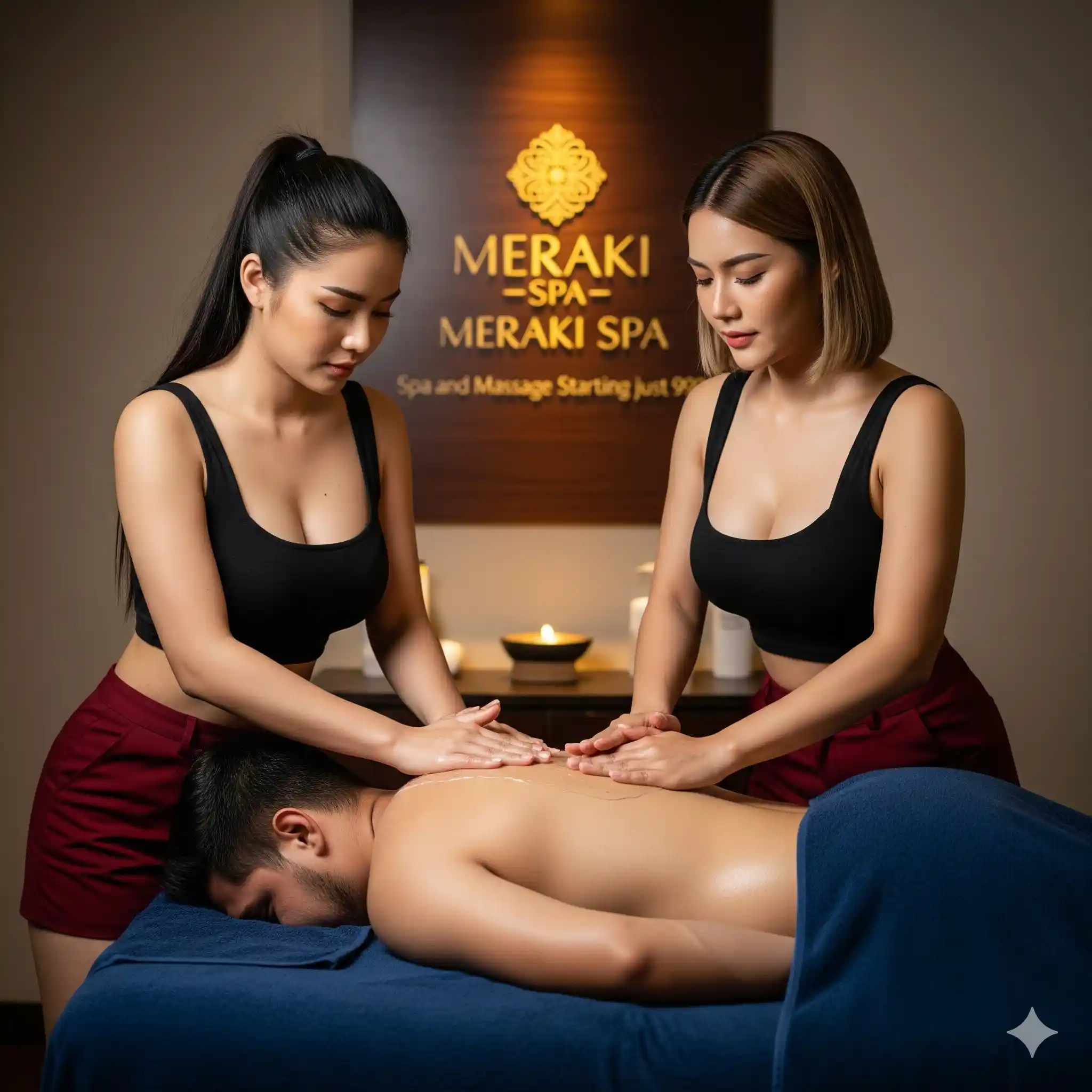
Executive Summary: Meraki Spa's Strategic Content Roadmap
This report presents a strategic roadmap for Meraki Spa, designed to solidify its position as a leading and credible brand in Raipur's competitive wellness market. The Indian spa industry is experiencing significant growth, with a projected market size of USD 2.02 billion in 2024, expected to reach USD 4.63 billion by 2033, exhibiting a compound annual growth rate (CAGR) of 9.67%.1 Rising disposable incomes, urbanization, and increasing awareness of holistic well-being drive this growth.
The report provides detailed content for three comprehensive news articles and one blog post. The first article focuses on global and national spa trends, the second delves into the scientific and physiological benefits of spa therapies, while the third positions Meraki Spa as a beacon of authenticity and excellence within the local Raipur market. Finally, a targeted blog post highlights the unique benefits of Meraki Spa's signature "Cream Massage," leveraging local keywords effectively.
The analysis reveals that the Raipur market shows high search interest for terms like 'body massage centres', 'spa near me', and 'Russian body massage centres'. However, public perception of wellness centers in the area remains a challenge due to news reports of police raids. Therefore, the content strategy must actively address these risks by explicitly emphasizing the brand's professionalism, hygiene, and genuine therapeutic services. This approach not only meets existing demand but also establishes Meraki Spa as a trustworthy, high-quality establishment, differentiating it from competitors in the Raipur market.
The Modern Wellness Revolution: Top Spa and Massage Trends for 2024-2025
The wellness industry is on the verge of a significant transformation, where traditional relaxation is being integrated with scientifically validated and technologically advanced treatments. In India, this revolution is particularly evident, as consumers are now seeking health benefits beyond momentary pleasure. The growth of the Indian spa market is a testament to this, driven by urbanization, lifestyle-related disorders, and a growing awareness of overall well-being.1
The Rise of Med-Spas and Regenerative Aesthetics
One of the most significant trends in modern wellness is the rise of medical spas (med-spas). These establishments combine the serene atmosphere of a traditional spa with the precision and effectiveness of medical procedures.10 Customers are no longer just looking for superficial beauty; they are seeking treatments that promote the body's natural healing processes. This includes regenerative aesthetic therapies such as Platelet-Rich Plasma (PRP) facials and microneedling, which stimulate collagen and naturally rejuvenate the skin. Services like IV therapy and red light therapy are also gaining rapid popularity, directly targeting the body's energy levels and overall health.10 This trend signifies a significant shift in the wellness industry, where clients desire to feel younger and more energetic, not just look beautiful.
Holistic Mental Wellness and Mind-Body Integration
Alongside physical health, mental well-being has become a central focus of the spa industry. With increasing levels of stress and anxiety, clients are seeking treatments that help calm their minds. Research has shown that massage therapy can reduce stress on both a psychological and physiological level. Just 10 minutes of massage can produce a significant increase in heart rate variability, which is a key indicator of the parasympathetic nervous system's activity. This nervous system governs the body's "rest and digest" response, directly counteracting the "fight or flight" stress response. Thus, massage therapy is being viewed as a valid health intervention rather than just a relaxing activity. Furthermore, massage has been linked to a reduction in depressive symptoms and an increase in dopamine levels, establishing a deeper connection between the mind and body.
The Fusion of Technology and Tranquility
Technology is now adding a new dimension to the spa experience. AI-driven consultations are being used for personalized treatment plans, analyzing skin and health data to recommend the most effective therapies. Similarly, virtual reality (VR) and sensory experiences are being incorporated into massage and meditation sessions. These technologies enhance relaxation by immersing clients in peaceful, virtual environments. Wearable health tech is also being used to monitor clients' physical responses, allowing therapists to customize treatments in real-time.
A Return to Roots: The Revival of Traditional Therapies
Alongside modern innovations, there is a growing interest in ancient Indian medical practices like Ayurveda. The rising consumer preference for traditional therapies is a major driver of the Indian spa market's expansion. Ayurvedic massage, also known as Abhyanga, focuses on balancing the body's three elements - air, water, and fire. It stimulates muscles, tendons, bones, and skin, helping to eliminate toxins from the body, improve blood circulation, and enhance sleep. Additionally, other traditional practices like Swedish massage and Thai massage remain popular for reducing muscle tension, improving blood circulation, and leaving the body feeling energized.
Conclusion: The Future of Integrated Wellness
All these trends point towards a future where wellness is personal, technologically advanced, and scientifically supported. The industry is moving beyond relaxation to become a vital part of preventative health and holistic well-being. In this evolving landscape, success will belong to those spa centers that embrace these trends and offer their clients not just a service, but a complete and credible wellness journey.